The bill came on a Thursday, tucked between a seed catalog and a postcard from the dentist. I opened it standing at the kitchen counter while Pepper leaned against my shins, and I did what I always do now: I looked at the total before I looked at anything else. $184. I said the number out loud to nobody, and then I went and stood under the living room fan for a minute, because it felt like the fan deserved some of the credit.
For context, our August bill this year was $221, which already felt like a small miracle after the $312 we paid in August of 2025. September in Orangeburg is not autumn, whatever the calendar says. We had a run of days in the low nineties right through the middle of the month, and the air still sat on the back porch like a damp towel. So I wasn't expecting much of a drop. What changed, as far as I can tell, was mostly how we used the ceiling fans.
The fans were on. They just weren't doing much.
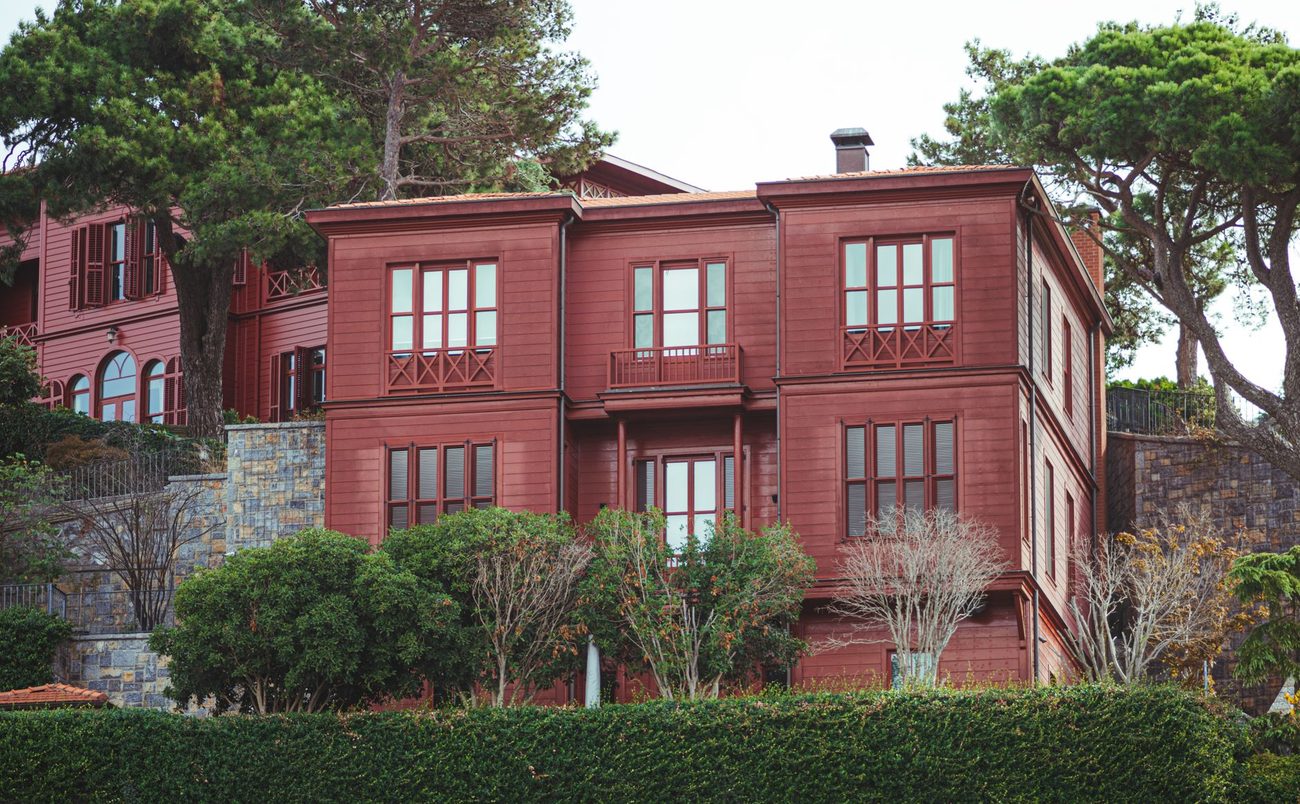
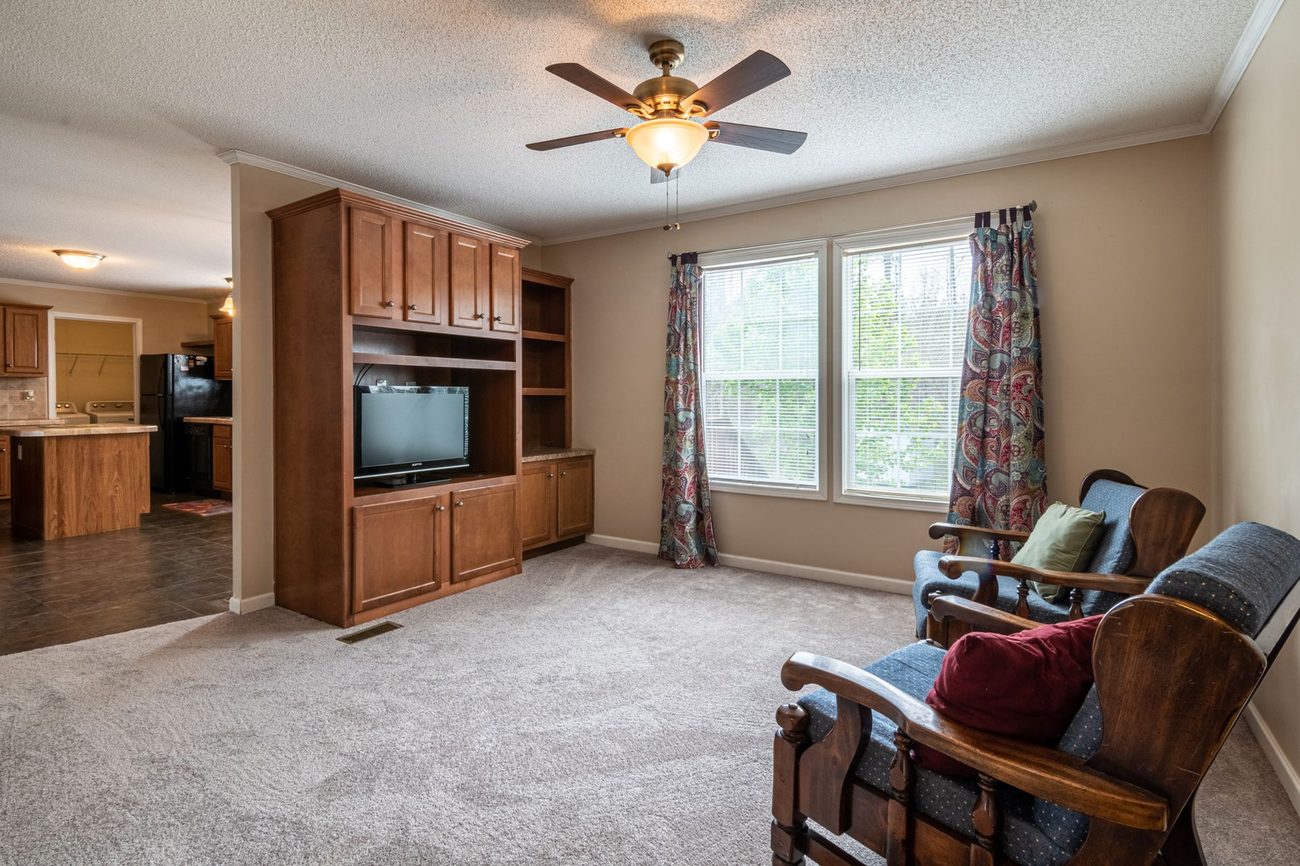
Our 1958 ranch has ceiling fans in almost every room, which is one of the things I loved about it when we bought it. For years, though, they were on when you walked in and forgotten after that. Some ran all day in empty rooms. Some, I discovered this summer, were spinning the wrong direction entirely.
Here is what I learned, in plain terms. A ceiling fan does not cool a room. It cools you, by moving air across your skin so sweat evaporates faster. An empty room with a fan running is just a room with a small motor using electricity.
The second thing: in summer, a fan should push air down. Standing underneath, you should feel a steady breeze. On most fans that means the blades turn counterclockwise when you look up at them. Two of ours, the one in Lila's room and the one in the hallway, were going clockwise, gently stirring warm air along the ceiling. There's a tiny switch on the motor housing. Ben flipped both from a step stool in about four minutes.
What we actually changed in September
None of this was dramatic. It was more of a household habit than a project.
- Fans follow people. If you leave a room for more than a few minutes, the fan goes off. Lila, who is seven and loves a rule, became the fan patrol. She is relentless.
- Thermostat up two degrees, fans on where we sit. We moved the daytime setting from 76 to 78. With a fan over the sofa or the desk, 78 felt almost exactly like 76 had without one.
- Medium speed, not high. High on our older fans is loud and rattly and doesn't feel much better than medium.
- Bedroom fans at night, on low. With the blackout curtains closed in the afternoon, the bedrooms start the evening cooler, and a low fan carries us through.
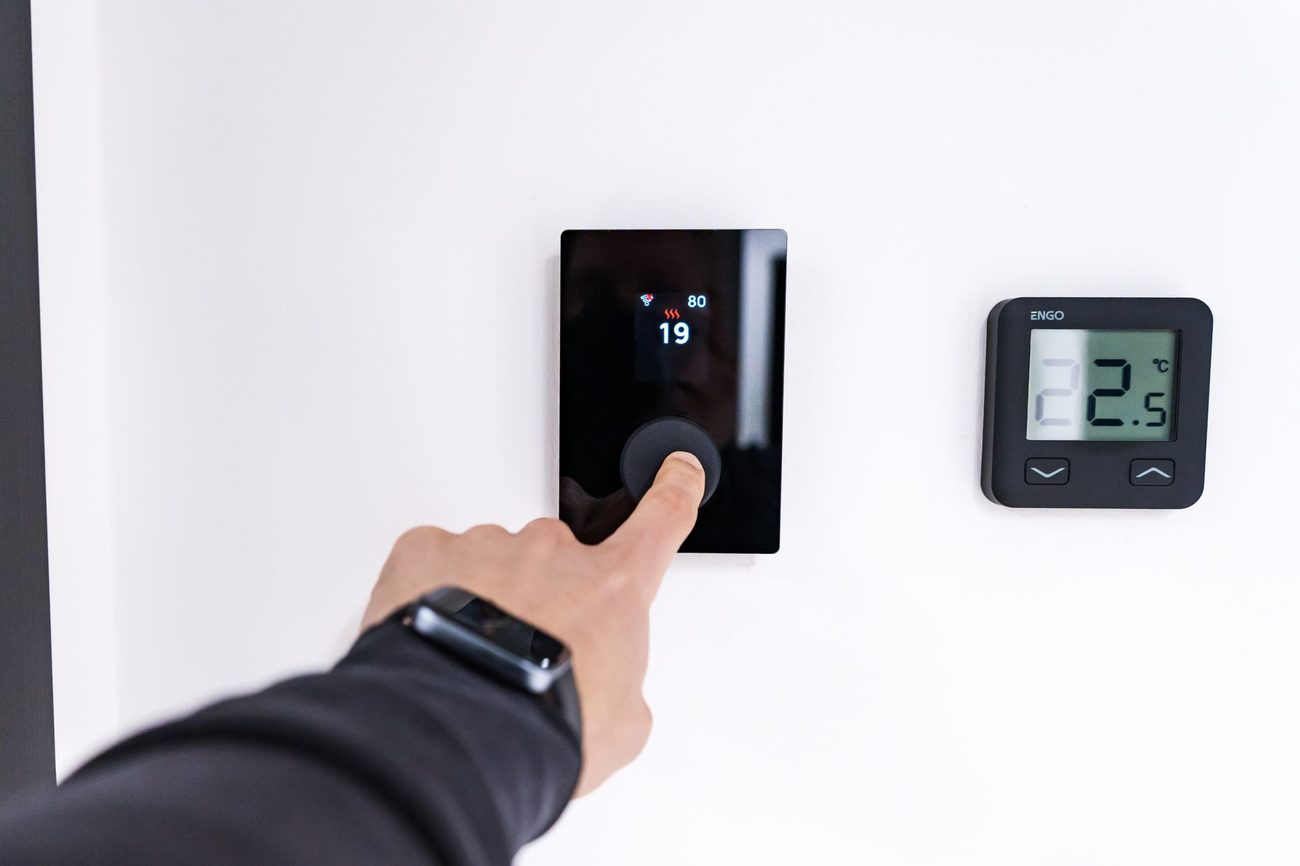
The smart thermostat we installed in June helped here too, mostly because it nags me less than I nag myself.
A rough look at the math
Ben, who does arithmetic for fun, sat with me one evening for a back-of-the-envelope version. A typical ceiling fan on medium uses somewhere around 30 to 50 watts. Our heat pump uses vastly more than that when it's running hard. So a fan running for eight hours costs us pennies, while every degree we can let the thermostat drift upward means the heat pump cycles less often through the hottest part of the afternoon.
| Month | Electric bill | What was different |
|---|---|---|
| August 2026 | $221 | Smart thermostat, fans used out of habit |
| September 2026 | $184 | Thermostat at 78, fans only where people are |
I want to be careful: September is usually a little gentler than August, so I can't hand the fans the whole $37. Some of it is weather. But our utility's app shows daily use, and on comparable hot days the September numbers ran noticeably lower in the afternoons. That's when the fan habit and the higher setpoint were doing their work together.
What didn't work
I tried running the kitchen fan while cooking to "push the heat out." It mostly pushed the heat around the room and twice sent Lila's school papers sailing off the counter into the sink. The kitchen fan is now off when the stove is on, and on for the dishes afterward.
I also tried leaving the porch fan going to make evenings out there bearable. It did help, but our screened porch fan is on its own switch by the back door and we kept forgetting it overnight. A strip of blue painter's tape over the switch, with the word PORCH in Sharpie, has mostly solved that.
The quieter lesson
What stayed with me, more than the money, was noticing which rooms we actually live in at which hours: the kitchen early, my desk by the window midday, the sofa after supper. The fans follow that rhythm now.
October should finally bring a few cool mornings. When it does, I'll open the windows, let the fans sit still, and enjoy the quiet. But I'm keeping the painter's tape.