There was frost on the carport roof this morning, the thin silvery kind that's gone by nine, and I sat at the kitchen table with my coffee and a new notebook while Lila slept in on the last day of her winter break. On the first page I wrote one word in pencil, then traced over it in pen once I was sure. That's the whole ritual. No list, no columns, no plan to lose fifteen pounds and read fifty books.
I've been choosing one word for the year instead of resolutions for a while now, and I've been asked about it enough that it seemed worth writing down how it works for me, and why it has outlasted every resolution I ever made.
Why resolutions never stuck
For most of my twenties I made the classic list on January first. Run three times a week. Stop buying coffee out. Write in a journal every night. They were reasonable goals, and almost all of them were dead by Valentine's Day.
The trouble, I think, was that each one was a rule with a pass-or-fail line. The first time I missed a run, the resolution was broken, and once something is broken it is very easy to stop caring about it. Resolutions also didn't account for the year actually happening: a sick kid, a busy season at work, a week of rain. Life moves and the list doesn't.
A word bends. It doesn't break when you have a bad week. It just waits for you to look at it again.
How I choose one
I don't have a formal method, but the same few questions come up every December, usually on the screened porch on one of those mild afternoons we get between cold snaps.
- What felt heavy this past year? Not what went wrong, exactly, but what I kept carrying around.
- What do I want more of, not what do I want to fix? Words aimed at fixing myself tend to turn into resolutions in disguise.
- Is it a verb or a quality I can practice on an ordinary Tuesday? A word I can only act on during big moments isn't much use.
- Does it still feel right after a week? I keep a short list on a sticky note through the holidays and cross words off as they stop fitting.
Last year's word: enough
My word for 2025 was enough. I chose it a few weeks before I left my job at the library in Columbia after eight years. I loved that job and the people there, but between the commute and everything at home, I was running on empty most days. Leaving felt like a risk, and I needed a word to remind me that a smaller, quieter life could still be a full one.
It showed up in more places than I expected. It was the word I thought of when the electric bill hit $312 in August and we started taking the house's leaks and drafts seriously, not by buying a lot of new things, but by fixing what we had. It was the word I thought of at Christmas, when we kept everything, gifts and decorations together, to about $350, and nobody missed a thing. And it was the word I needed on the afternoons when the bookkeeping and the blog felt like not quite a real job. It was enough. We were fine.
This year's word: tend
For 2026 I chose tend. I like that it's small and a little old-fashioned. You tend a garden, a fire, a sick child, a friendship. It implies showing up regularly rather than doing something once and grandly.
A few places I already know it's going to live:
- The house. This old ranch has asked a lot of us over the past year. I'd like to get ahead of things this time, the small maintenance jobs we keep putting off, before they turn into bigger ones.
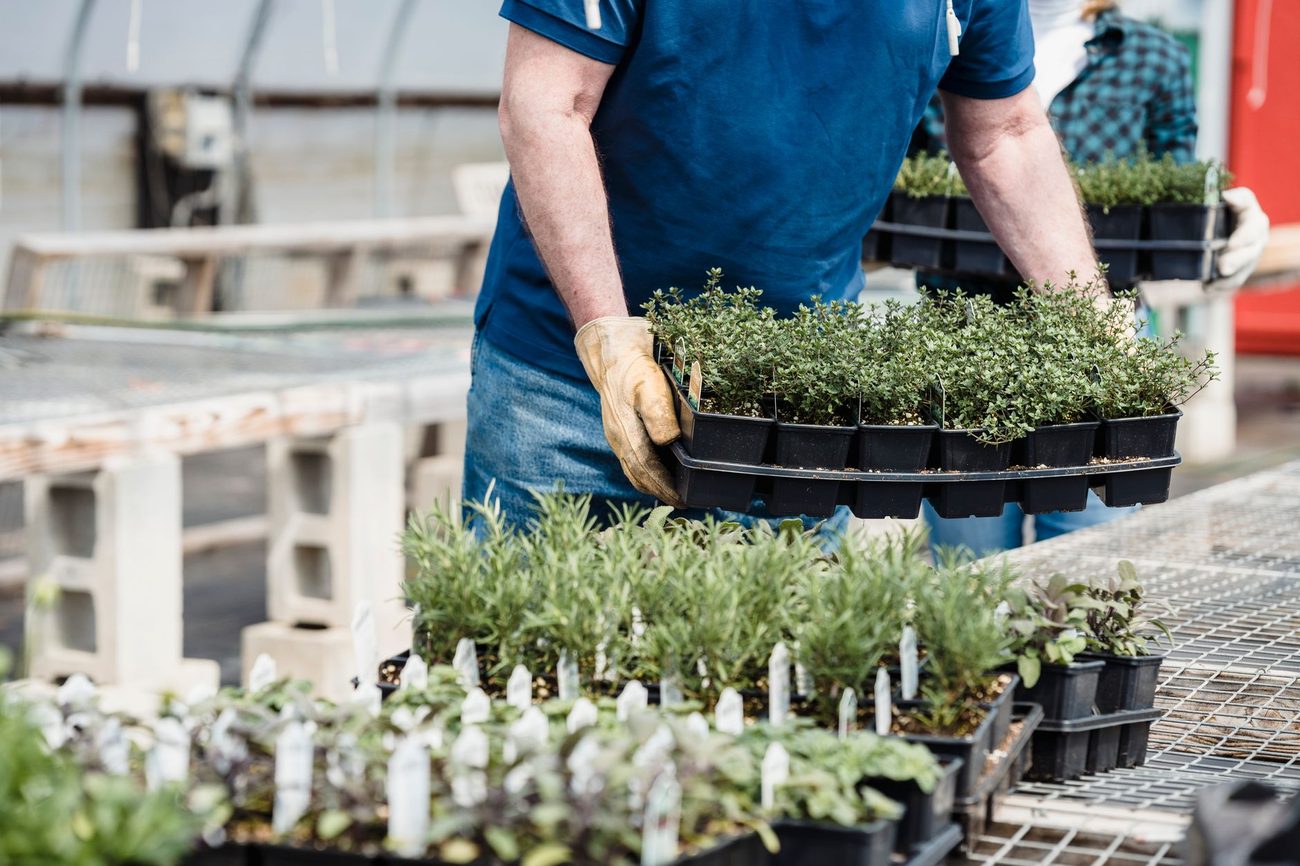
- The garden. I want to actually look after the beds along the back porch instead of planting in April and abandoning them by July.
- People. I've let a few friendships drift since I stopped working in Columbia. Tending means a text, a card, a Saturday lunch, not waiting for the perfect time.
- Myself, without making it a project. Earlier nights. A walk with Pepper even when it's drizzling.
Keeping the word in sight
The word only works if I see it. I write it on the first page of my notebook, on a card tucked into the frame of the mirror in our bedroom, and on the inside cover of the binder where I keep my bookkeeping clients' paperwork. At the end of each month I write two or three lines about where the word showed up and where it didn't. That's the only accounting I do.
Lila, who is six and absolutely does not want to be left out of anything, asked this morning if she could have a word too. She thought about it through an entire bowl of oatmeal and chose brave. She wrote it in purple marker on an index card and taped it to her bedroom door, slightly crooked. I suspect hers will hold up better than mine.