This morning a pecan seedling came up in the crack between the carport slab and the driveway, the third one this spring. The squirrels plant them all over the yard, and every April I pull a dozen out of flowerbeds and gutters and once, memorably, a porch planter. Ben says that if we let them all grow, the half acre would be a pecan orchard in thirty years. I said that sounds nice. He reminded me who would be raking.
We have lived in this house almost four years now. People sometimes ask why we left Columbia, where we both had friends and work, to buy a 1958 brick ranch in Orangeburg. The honest answer is a mix of money, space, and a feeling I couldn't quite name at the time.
The apartment years
Before this house, we lived in a second-floor apartment in Columbia. It was fine. It had a dishwasher that worked and a parking lot that flooded every time it rained hard. Lila was a toddler then, and I spent a lot of time carrying her, a diaper bag, and groceries up a flight of stairs while trying not to drop any of the three.
When we started looking at houses in 2021, everything we could afford in Columbia was either very small or needed more work than we knew how to do. Ben's job takes him out to job sites all over this part of the state, so living closer to the middle of his work wasn't a sacrifice for him. For me it meant a longer commute to the library, and I knew that going in.
Why this house
We saw it on a hot June afternoon. The air conditioning wasn't running and the house smelled like old wood and lemon furniture polish. I walked onto the screened back porch and looked out at two enormous pecan trees, and I think I decided right there, before I had even seen the bathrooms.
What we got:
- About 1,450 square feet, three bedrooms, one and a half baths.
- Original hardwood floors, a little scarred, under wall-to-wall carpet in two rooms. We pulled the carpet up the first week.
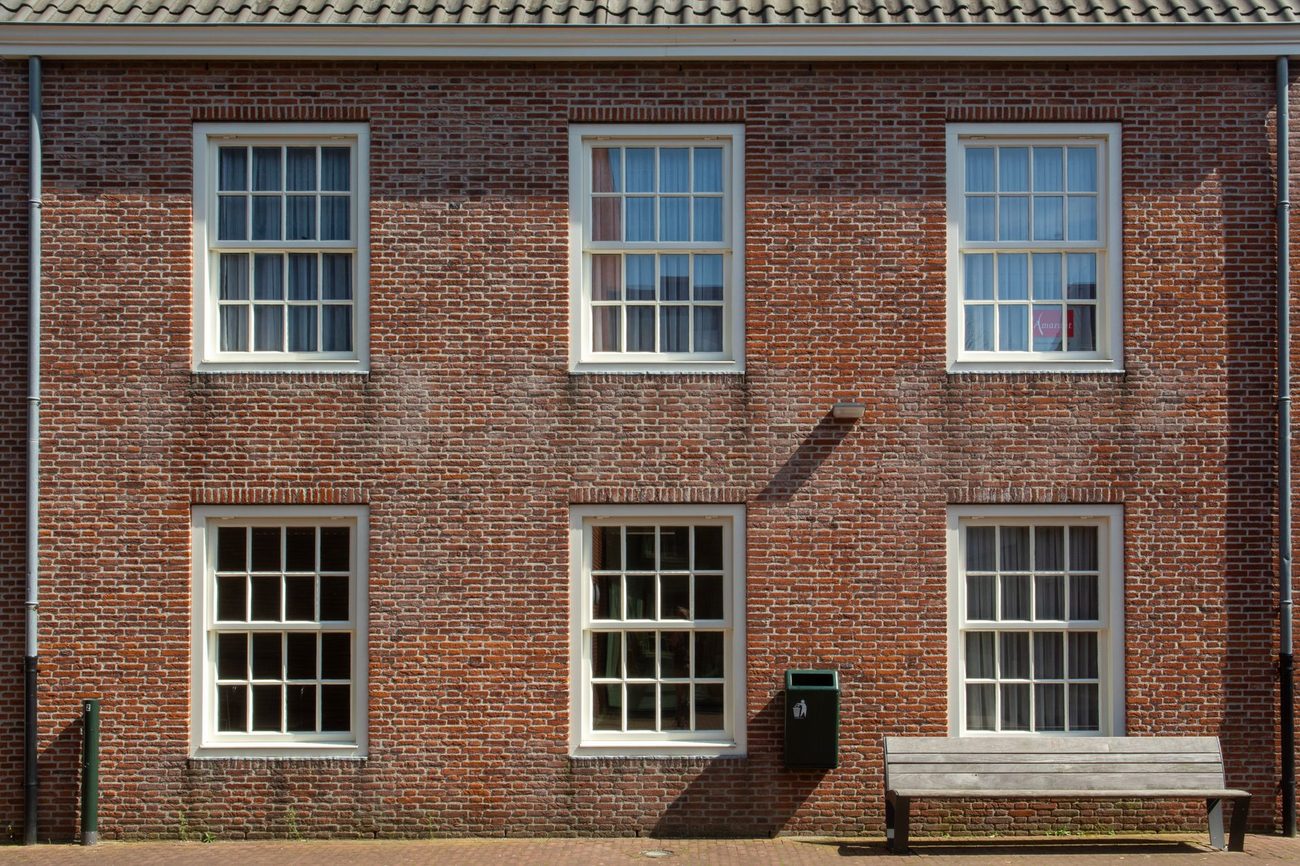
- A half-acre lot, the two pecans, a carport, and a small shed out back that Ben has slowly turned into a workshop.
- A heat pump from 2016, which the inspector called "middle-aged."
- Plaster walls, odd little closets, and a kitchen that badly needed paint.
What we gave up: a second full bathroom, a garage, and the feeling of being able to call a landlord when something breaks.
What a small town has been like
Orangeburg is not a sleepy movie town, and I don't want to romanticize it. It has traffic on the main roads, chain stores, a college crowd, and its own problems. But day to day, life here is smaller in scale. The Saturday farmers market is where I see the same faces every week. The woman at the Food Lion deli knows Lila by name. When Pepper got out under the fence last fall, a neighbor two streets over brought her home in the front seat of his truck.
Things are slower here, and for a long time I was too busy to notice. For more than three years I drove to the library in Columbia and back, an hour each way, and our weekday evenings were mostly about getting through. In January I left that job. I loved the work, but the commute was taking the best hours of my day. Now I do part-time bookkeeping from home for two small businesses and write here, and for the first time I am actually living in the town I moved to.
What the old house is teaching us
An old house asks for attention in a way an apartment never did. We've learned to listen for drips and look up at the pecan limbs after a storm. Summer power bills in a 1958 house with attic ductwork can be startling, and next month we're getting a free energy audit from our utility to find out where all that cool air is going.
But it's also taught us patience. We don't do big projects all at once. We paint one room a year. We fix what's broken before we add anything new. Some weekends we do nothing at all except sit on the porch and watch Lila try to catch lizards on the brick.
The pecan seedling by the carport has to go, I know. But I might pot this one up. Lila would like to have a tree that's hers, and the yard has room for one more slow-growing thing.