At four in the afternoon in early July, the sun comes straight across the back lawn, past the pecan trees, and hits the west wall of our bedroom like a heat lamp. Before this summer, you could feel it from the doorway. The room would sit three or four degrees warmer than the rest of the house until well after dark, and our heat pump would run and run trying to catch up.
In early June, we hung blackout curtains in all three bedrooms. I'd read every claim on the packaging about energy savings and wanted to see for myself. It's been about a month. Here's what I've noticed, what I measured in my own unscientific way, and what I can't honestly say yet.
What we bought and what it cost
Nothing fancy. Thermal-lined blackout panels from a discount store, in plain colors that match the walls, plus a couple of new curtain rods that extend past the window frame. Our house is a 1958 brick ranch with modest windows, so we needed two panels per window and a total of five windows across the three bedrooms. All in, we spent about $140.
A few details that seem to matter:
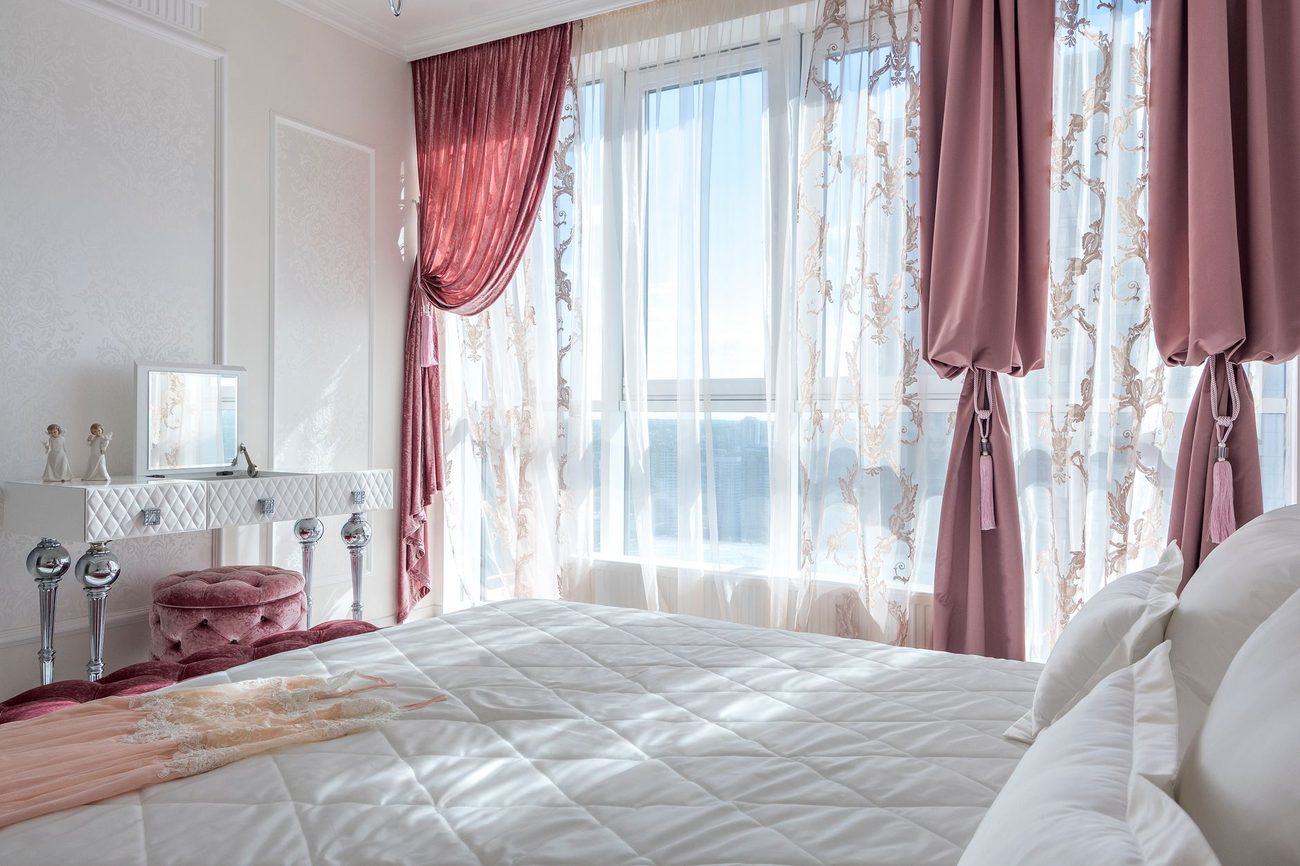
- Wide rods. The rods extend several inches past each side of the frame, so the curtains overlap the wall and block light at the edges.
- Hung high. Close to the ceiling, which also makes the rooms look taller.
- Long enough to touch the sill or floor. Gaps at the bottom let in heat and light.
- Light color facing the window on the back side, to reflect sun rather than absorb it.
The temperature test
I'm not an engineer, but Ben is a surveyor and has a deep love of measuring things. We put a cheap digital thermometer on the dresser in our bedroom and another in the hallway for a week before the curtains went up, and a week after. We checked them each afternoon around five, the hottest part of the day for that room.
| Bedroom (west wall) | Hallway | |
|---|---|---|
| Before curtains, average | 80°F | 76°F |
| After curtains, average | 77°F | 76°F |
Not a scientific study, and the weather wasn't identical both weeks. But that west bedroom now sits within about a degree of the rest of the house in the late afternoon, where before it ran four degrees hotter. Lila's room, which faces south, showed a smaller but similar change.
So did the bill go down?
This is the honest answer: I can't tell yet. Our June bill came in a little lower than last June, but June last year was hotter, and I've also been home more since leaving my library job in January. There are too many moving pieces to credit the curtains with a specific dollar amount.
And curtains aren't fixing our bigger problems. The free energy audit we had in May found leaky ductwork in the attic and thin attic insulation. Those are almost certainly costing us far more than a sunny window. We've scheduled duct sealing for later this month and are thinking about the insulation for the fall. I'll write about both once they're done.
What I can say is that the system seems to cycle off more often in the late afternoon than it used to. The hum stops, the house goes quiet for a while, then it starts again. Before the curtains, on hot afternoons, it barely stopped at all.
The benefit I didn't expect
Sleep. Our bedrooms are dark now, really dark, and they stay cooler at bedtime. Lila, who has always woken at the first light, now sleeps until almost seven. Ben, who has to be up early for field days, says he falls asleep faster. Pepper, who sleeps at the foot of our bed, has offered no opinion but snores more contentedly.
In a South Carolina summer, when it's still light at 8:30 and still muggy at midnight, that alone has been worth the $140.
Would I do it again?
Yes, with realistic expectations. Blackout curtains aren't going to slash a cooling bill on their own, at least not in a house with leaky ducts. What they did was take the edge off the hottest room, ease the load on the heat pump during the worst hours of the day, and give us better sleep. For a modest one-time cost with nothing to maintain, that seems like a fair trade.
The one habit that makes them work: actually closing them. I've started drawing the bedroom curtains after breakfast on any day forecast above 90, and opening them again after supper when the sun drops behind the trees. It's become one of those small, quiet rituals of a Southern summer, like watering the tomatoes before it gets too hot to stand outside.